
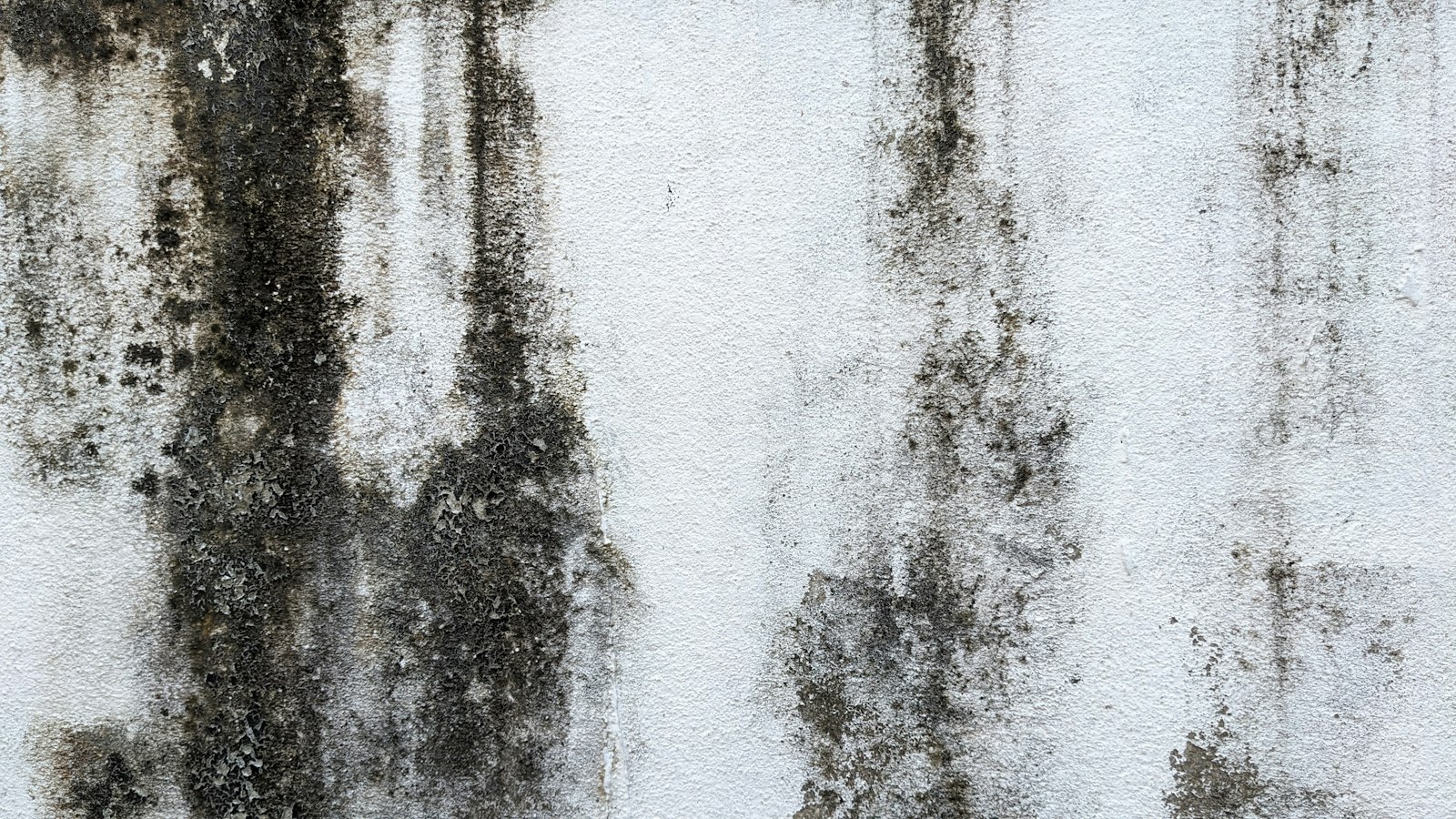
Mold Removal and Remediation in Bothell, WA
Mold can start growing within a day or two after water damage. This page explains how it starts, what to look for, and how removal and drying work in a Bothell home.
Call (425) 738-3553How mold starts after water damage
Mold spores are present in most homes. They are tiny, they float in the air, and they are usually harmless while everything stays dry. The problem starts when water gives them what they need to grow. After a leak, a burst pipe, a flooded basement, or a sewage backup, damp drywall, wood, carpet, and insulation become a place where mold can take hold. Once the material stays wet, growth can begin within 24 to 48 hours. That short window is the reason quick drying matters so much after any water damage.
Bothell homes are especially open to this problem. The long wet season keeps roofs, gutters, and crawlspaces damp for months at a time. A slow roof leak can wet an attic for weeks before anyone notices a stain on the ceiling. A clogged gutter can send rainwater down a wall and into the framing. A sump pump that fails during a storm can leave a basement or crawlspace wet for days. In each case, the water may be out of sight, and the mold that follows can be out of sight too.
Mold often grows where it cannot be seen. It hides behind drywall, under flooring, inside wall cavities, around window frames, and in the corners of crawlspaces and attics. By the time a dark spot appears on a painted wall, the growth behind that wall may already be much larger. That is why an inspection looks beyond the visible stain. Moisture meters check the walls, floors, and ceilings around the damaged area, so the full extent of the wet material is mapped before any work starts. Our guide on mold after water damage in Bothell explains the same warning signs in more detail.
Signs of mold in a Bothell home
Mold does not always announce itself with a large visible patch. Watch for these signs, especially in the weeks after any water damage:
- A musty smell that does not go away. A damp, earthy odor in a room, a closet, or a basement is often the first sign, and it can be present even when nothing is visible.
- Dark, green, or black spots on walls or ceilings. Spots that grow, spread, or return after cleaning point to moisture behind the surface.
- Warped, soft, or bubbling materials. Drywall that feels soft, paint that bubbles or peels, and flooring that lifts or warps all suggest water has been sitting in the material.
- Damp spots that keep coming back. A stain that dries and then returns after rain is a sign that water is still getting in.
- Condensation on windows and cold walls. Repeated condensation keeps surfaces damp and gives mold a steady supply of moisture.
- A leak you fixed, but the room still smells damp. If the smell stays after the leak is repaired, water may still be trapped in the wall or floor.
If you notice one or more of these signs, the next step is to find the water source and check how far the moisture has spread. The earlier that happens, the smaller the removal job tends to be.
The mold removal process
Mold removal is a sequence, not a single step. Each stage prepares the next one, and skipping a stage is how mold comes back. The five stages below describe how the work is done in a Bothell home.
Inspection and moisture mapping
The work starts with a walk through the affected rooms. The water source is identified where possible, and moisture meters check the walls, floors, and ceilings around the damage. The goal is a clear map of which materials are wet, which are dry, and where the moisture stops. That map decides what needs to be removed and what can be dried in place.
Containment
Before any moldy material is disturbed, the work area is sealed off with plastic sheeting. Containment keeps spores from reaching the rest of the home while the work is in progress. In larger jobs, air filtration equipment helps keep the air inside the contained area clean. Doors to the work area stay closed, and the rest of the home stays usable.
Safe removal of affected materials
Drywall, insulation, carpet, and other porous materials that are heavily affected are cut out, bagged, and removed from the home. Materials are handled carefully so spores are not spread into the air. Remaining hard surfaces are cleaned. Materials that cannot be cleaned are removed rather than left in place, because leaving them behind is the most common reason mold returns.
Drying
After removal, the structure is dried with air movers and dehumidifiers. Drying is not guesswork. Moisture readings are taken over the course of the job, and the equipment stays in place until the readings show the framing, subfloor, and remaining materials are dry. This stage is closely tied to structural drying, which is the same careful process used after any water damage in a Bothell home.
Prevention
The last stage is stopping the next problem. The water source is fixed, whether that is a leak, a failed sump pump, or a drainage problem. Ventilation is checked, especially in bathrooms, attics, and crawlspaces. Crawlspace and basement drainage is reviewed after heavy rain. A final moisture check confirms the area is dry before any rebuilding starts, so new drywall and flooring go onto a dry structure.
Removal without drying does not last, and drying without fixing the water source does not last either. The process works when all five stages are done in order.
What homeowners should not do
Well meant quick fixes can make a mold problem worse. Avoid these five mistakes while you wait for help.
Do not paint over mold
Paint hides the stain, but it does not stop the growth underneath. The mold keeps growing behind the paint, and the next time it appears it is usually larger. Paint over a dry, clean surface only, after the moisture problem is fixed and the area has been checked.
Do not rely on household bleach for a large area
Bleach can lighten the surface of a small spot on a hard surface, but it does not reach mold growing inside porous materials like drywall and wood. On a large area it gives a false sense that the problem is solved, while the growth underneath continues. It is also not a substitute for removing wet material that cannot be cleaned.
Do not run a fan across a moldy area
A fan pointed at visible mold moves air across the growth and can carry spores into other rooms. If the area needs air movement, that is handled inside containment, with filtration, after the work area is sealed off. Until then, keep the room closed and leave the fan off.
Do not tear out walls or flooring without containment
Pulling down moldy drywall or lifting wet carpet without sealing the area first releases a large amount of spores into the home at once. That can spread the problem to rooms that were clean. Containment comes first, removal comes second.
Do not ignore a musty smell
A musty smell that stays after a room has dried is a signal that something is still wet. It may be a slow leak, water trapped behind a wall, or damp insulation. The smell is worth checking even if you cannot see any mold, because the growth causing it is often hidden.
When to call for mold removal
Call Rainline Restoration at (425) 738-3553 when any of the following apply:
- The affected area is larger than a small patch you can cover with your hand.
- Mold keeps coming back after you clean it.
- You cannot find the water source, or the area stays damp after the leak is fixed.
- The damage is behind a wall, under a floor, or in a crawlspace or attic you cannot reach.
- The area is still wet several days after the water damage happened.
- The musty smell is strong, or it is spreading from one room to another.
We are open 24 hours and serve Bothell homes in ZIP codes 98011, 98012, and 98021. When you call, tell us the address, the water source if you know it, and which rooms are affected. The sooner the inspection happens, the smaller the removal job is likely to be. For the background on how mold develops after a leak, see our guide on mold after water damage in Bothell. If standing water is still present, water removal and extraction comes first, before any mold work begins.
Frequently asked questions
How fast does mold grow after water damage?
In damp conditions, mold can begin growing within 24 to 48 hours after water damage. That is why the first two days matter so much. Wet drywall, wood, carpet, and insulation should be checked and dried quickly, and any standing water should be removed as soon as possible. The longer materials stay wet, the larger the affected area becomes.
Can I clean up mold myself?
A small patch on a hard, non-porous surface can often be cleaned by a homeowner, as long as the area is dry and the water source has been fixed. Larger areas, porous materials like drywall and carpet, and mold that keeps returning after cleaning are different. Those jobs need containment, removal of affected materials, and drying checked with moisture readings, which is work for a professional crew.
Does mold come back after removal?
It can, if the moisture problem is not fixed. Mold returns when water keeps reaching the same area, whether from a leak that was never repaired, a drainage problem, or materials that were never fully dried. Removal lasts when three things happen together: the affected materials are removed or cleaned, the structure is dried and checked with moisture readings, and the water source is fixed.
How long does mold removal take?
It depends on the size of the affected area and how wet the materials are. A small job often takes a day or two, including drying time. A larger job, or one where water reached behind walls or under flooring, takes longer, because drying cannot be rushed. Moisture readings decide when the work is finished, not the calendar.