
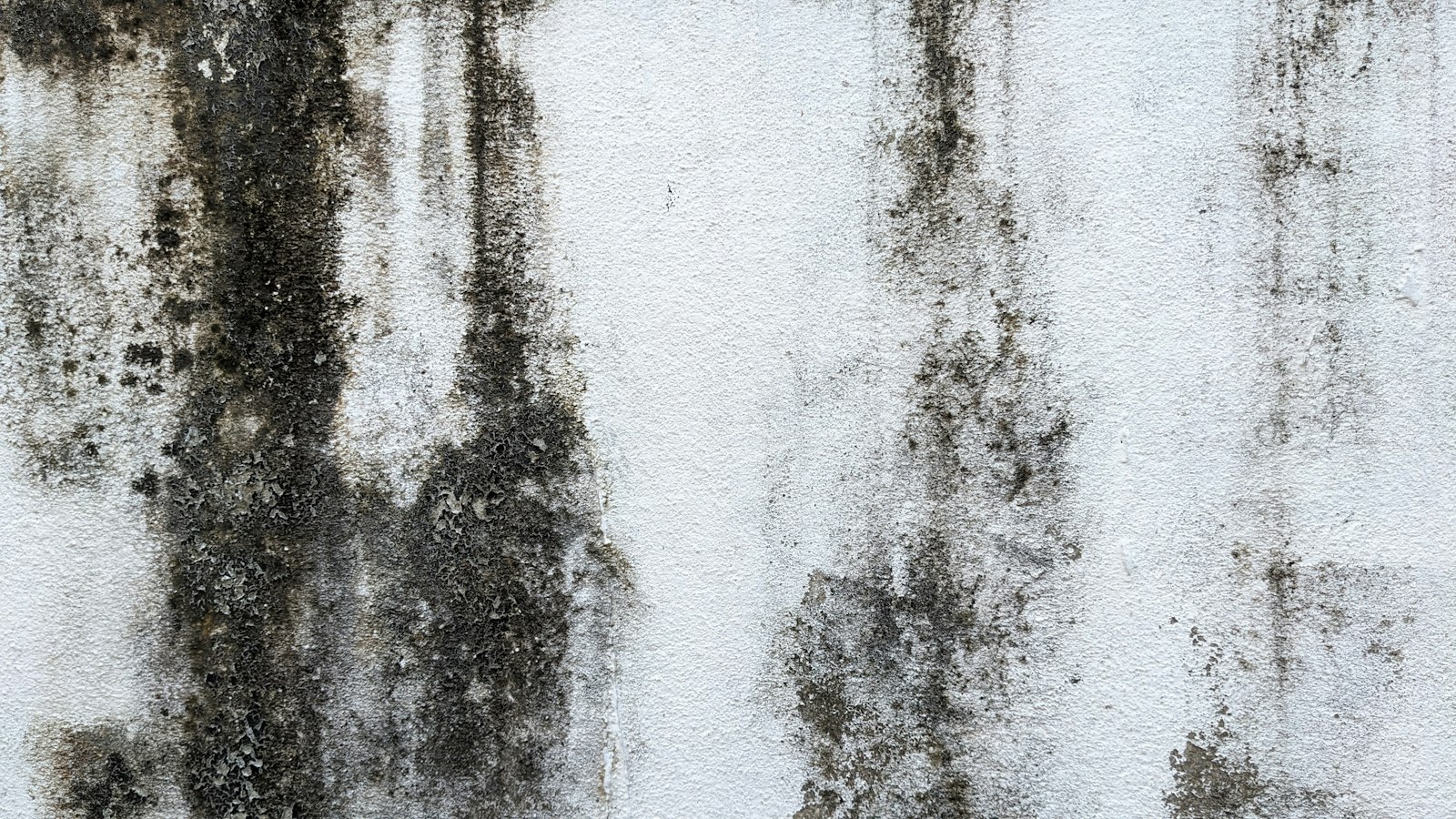
Mold does not need a flood. It needs wet material and time, and Bothell gives it both.
Bothell stays damp for most of the year. Rain falls for days at a time from October through April, the Sammamish Valley holds moisture long after the sky clears, and many Bothell homes have the exact places mold likes best: a vented crawlspace under the floor, a daylight basement cut into a hillside, and an attic under a mossy roof. When water gets into any of those places and stays there, mold can begin growing on wet drywall, wood, carpet, and insulation within 24 to 48 hours.
That short window is the whole point of this guide. Mold after water damage is usually a drying problem, not a cleaning problem. If the material dries fully and quickly, mold has nothing to grow on. If it stays damp, scrubbing the surface does not fix it, because the growth is often behind the paint, under the floor, or inside the wall.
This guide explains where mold hides in Bothell homes, what a homeowner can safely check, when the job is bigger than a homeowner should handle, and how drying is verified with readings instead of guesswork. It is written for Bothell homes in ZIP codes 98011, 98012, and 98021, including Downtown Bothell, Canyon Park, North Creek, Westhill, Queensborough, Fitzgerald, and Waynita.
Why Bothell homes grow mold after water damage
Four local facts work together.
A long wet season. Bothell rain is steady rather than violent. A slow leak can wet a wall cavity or a crawlspace for weeks before anyone notices, and the material never gets a dry spell. Our guide to winter freeze and burst pipes covers the sudden version of this problem, while this guide covers the slow one.
Crawlspaces and daylight basements. Many Bothell homes sit on slopes, so they have a crawlspace, a daylight basement, or both. Both sit close to damp ground, and both are hard to see into without crawling under the house or moving stored boxes. Our crawlspace drying guide explains what happens down there after water gets in.
Mossy roofs and shaded walls. North facing slopes and walls under firs and cedars stay shaded and damp. Moss holds water on the roof, gutters clog with needles, and the slow leak that follows can wet attic insulation and the back of the drywall for a whole season. Our roof leaks guide explains how to read the stain and find the source.
Finished basements and added rooms. A finished basement hides the structure behind drywall, paint, and carpet. Water that would be obvious on bare concrete is invisible behind a finished wall until the paint bubbles or the musty smell arrives. By then the back of the drywall may already be growing mold.
None of this means every wet wall grows mold. It means the clock starts as soon as material gets wet, and the drying has to be real, measured drying, not just a dry surface.
Where mold hides in a Bothell home
Mold grows on the damp side of a material, which is often the side a homeowner cannot see. These are the places to check after any water event, in order of how often they are missed.
Behind the drywall. A slow leak from a pipe, a roof, or a window runs down inside the wall and wets the back of the drywall and the wood framing. The painted face can look dry for weeks while the back is damp. Signs are a musty smell near the wall, paint that bubbles or peels at the base, and baseboards that pull away from the wall or feel soft.
Under flooring. Water from an upstairs leak or a failed appliance runs under laminate, vinyl plank, and engineered wood, and it sits on the subfloor. The floor above can look fine while the subfloor stays wet. Signs are boards that cup or buckle, a floor that feels spongy underfoot, and gaps that open between planks as the wood swells and dries unevenly. Our guide to floors after water damage explains how to judge what can be saved and what must be replaced.
In the crawlspace. A failed sump pump, a high water table after heavy rain, or a leaking pipe can leave standing water under the house. The joists and subfloor above it stay damp, and the insulation between the joists can hold water like a sponge. Signs from inside the house are a musty smell that is strongest on the ground floor, floors that feel cold and damp, and a crawlspace access hatch that smells damp when opened. Our sump pump failure guide covers the first hour after a crawlspace floods.
In the attic. A slow roof leak or attic condensation wets the insulation and the underside of the roof deck. The stain may never reach the ceiling below, so the first sign is often a musty smell in the upstairs rooms or dark staining on the attic side of the sheathing, seen only from inside the attic.
Behind and under appliances. A dishwasher, washing machine, or refrigerator line can leak slowly for months behind the appliance. The floor under it stays wet, the cabinet base swells, and the wall behind it grows mold that is only found when the appliance is pulled out. Our upstairs appliance leaks guide explains how water from these leaks travels down through a house.
Inside wall cavities after a freeze. A pipe that froze and cracked in a cold snap can leak inside an exterior wall for days before the water shows. The insulation inside the wall holds the water against the wood. Our winter freeze guide covers the first hour after a burst pipe, and this guide covers what to check in the weeks after.
What to check in the first hour
These checks are safe for a homeowner and they cost nothing. Do them before anything is moved, cleaned, or thrown away, because the record matters.
1. Find the water source and stop it. Shut off the water at the fixture, the appliance valve, or the main shutoff if the source is a supply pipe. If the water is coming from rain, a roof, or the ground, the source cannot be shut off, so move to step 2 and protect what can be saved. Do not enter standing water that may be near live electrical outlets or a panel.
2. Take dated photos before anything moves. Photograph every wet area from straight on and from a step back, with something in the frame that shows scale. Photograph the baseboards, the floor, the ceiling below, and the crawlspace access if it is safe to open. These photos are part of the record described later, and they matter if an insurance claim is involved. Our guide to water damage and home insurance in Washington explains the sudden versus gradual line that decides many claims.
3. Check with your nose and your hand, not just your eyes. A musty, earthy smell in one room, or strongest near one wall, is often the first sign of hidden mold. Press the base of the wall gently. If the drywall feels soft, cold, or damp, water is still inside it. Lift a corner of carpet if it lifts easily and look at the pad underneath. If the pad is dark or wet, it has been wet for a while.
4. Note the timeline. Write down when the water was first noticed, when it was last dry, and what happened in between: a storm, a freeze, a new appliance, a clogged gutter. Mold risk grows with time, so the timeline decides how urgent the drying is. A wall that got wet yesterday is a different job from a wall that has been wet since the last big rain.
5. Start the drying, do not start the scrubbing. Open the room to air if the outside air is dry, lift wet rugs and cushions, and get standing water out. Do not paint over a stain, do not seal a damp wall with a new coat of paint, and do not close up a wet wall cavity. Sealing wet material in only traps the moisture and gives mold a dark, damp place to keep growing.
The small area line: what a homeowner can handle, and what needs a pro
Public health guidance commonly cited for homeowners draws a practical line near 10 square feet, about the size of a three foot by three foot patch. A small, clearly visible patch of mold on a hard, non porous surface, with the water source already fixed and the material already dry, is often something a homeowner can clean following standard precautions: gloves, eye protection, a mask, and no dry brushing or vacuuming that spreads spores into the air.
Anything past that line needs a professional assessment. That includes a patch larger than about 10 square feet, mold inside a wall cavity, mold on the back of drywall, mold in a crawlspace or attic, mold that keeps coming back after cleaning, and any mold where the water source is still unknown or still leaking. It also includes any situation where someone in the household has a health condition that makes mold exposure a concern. If anyone in the home has breathing trouble or a health worry, that person should talk to their clinician rather than relying on this guide.
This line is guidance, not a rule, and it is not a diagnosis. The reason for the line is simple: a small surface patch is usually all there is, while a large patch, a patch inside a wall, or a patch that returns is usually a sign of a bigger wet area behind it. Cleaning the visible part does not dry the hidden part.
Do not use bleach as a shortcut. Bleach can lighten the color of mold on a hard surface, which makes the problem look fixed while the growth underneath is untouched. On porous material such as drywall, wood, or carpet pad, bleach does not reach the growth inside the material, and the mold returns as soon as the surface dries. The fix is drying the material and removing what cannot be dried, not bleaching what can be seen.
How drying is verified, and why that is what stops mold
Drying is finished when the material is dry all the way through, not when the surface feels dry. A wall can feel dry on the painted face while the back is still wet enough to grow mold. The only way to know is to measure.
Moisture readings. A moisture meter gives a number for the material. The reading means little on its own. It means something when it is compared with a dry reference, the same material in a dry part of the same house. The wet wall, floor, or joist is dry when its reading matches the dry reference, and when the reading stays matched over two checks a day or more apart. Our guide to water extraction and structural drying explains the difference between removing standing water and drying the structure.
The dry reference. Before drying starts, take readings in a dry room built the same way, same flooring, same wall type. That is the target. Without it, there is no way to know when to stop, and stopping early is the most common reason mold appears weeks after the water is gone.
Air movement and dehumidification. Air movers push dry air across wet surfaces, and a dehumidifier pulls the moisture out of the air. Both need to run until the readings match the dry reference, not until the room feels comfortable. Turning equipment off early because the surface looks dry is the same mistake as painting over a stain.
What gets removed. Some materials dry well. Solid wood, concrete, and tile usually dry if the water is removed quickly. Some do not. Carpet pad, wet insulation, and drywall that has swollen, crumbled, or stayed wet for days usually cannot be dried in place and must be cut out. Our floors guide covers the save or replace decision in detail.
The recheck. After the readings match the dry reference, check again a few days later. A wall that dried on the surface and stayed damp inside will show a rising reading, a returning smell, or a new stain. A recheck that stays dry is the confirmation that the drying worked.
Prevention: keeping Bothell mold from starting
Prevention is the same work as water damage prevention, done before the water arrives.
Test the sump pump before the rain season. Pour water into the pit and confirm the pump starts, the float moves freely, and the discharge line runs clear outside the house. A battery backup covers the pump during a power cut. Our sump pump guide has the full check.
Keep gutters and downspouts clear. Clean them in early fall, before the long rain season, and again after the first big wind. A clogged gutter is the start of many Bothell roof and wall leaks, and our roof leaks guide shows how to read the signs.
Fix small leaks fast. A drip under a sink, a slow toilet valve, and a weeping water heater are all slow leaks that wet a wall cavity for months. Fix them when they are small, and the mold never gets its start.
Ventilate the crawlspace and attic. Blocked vents trap damp air against wood. Make sure vents are open and clear, and that bathroom fans vent outside the house rather than into the attic.
Watch the water bill and the meter. A bill that jumps with no change in use, or a meter that moves when every tap is off, is a slow leak somewhere in the house. Finding it early is cheaper than drying a wall later.
Keep a dry reference record. After any drying job, keep the final readings and the dated photos with the house records. If a smell returns months later, those numbers show whether the wall was ever truly dry.
Four mistakes that let mold come back
Painting over the stain. Paint seals the surface and hides the stain, but it does not dry the wall behind it. The mold keeps growing behind the paint, and the stain bleeds through again.
Drying only the surface. A fan pointed at a wet wall dries the paint. It does not dry the back of the drywall or the framing inside the cavity. The wall must be measured, not just looked at.
Cleaning the visible mold and ignoring the leak. If the water source is still open, the mold returns as soon as the surface is wet again. Fix the source first, then dry, then clean.
Closing a wet wall back up.New drywall, new paint, and new flooring over a damp cavity trap the moisture inside. The mold grows in the dark, and the next sign is a smell or a stain on the new finish.
Questions about mold after water damage in Bothell
How fast can mold start after water damage in Bothell?
Mold can begin growing on wet drywall, wood, carpet, and insulation within 24 to 48 hours. That is why the first hour matters: stop the source, photograph the damage, and start real drying. A wall that is dried fully in the first day or two is far less likely to grow mold than one that stays damp for a week.
Can I clean a small patch of mold myself?
Public health guidance commonly cited for homeowners treats a small, clearly visible patch, near 10 square feet or less, on a hard surface, with the water source already fixed, as something a homeowner can often clean with gloves, eye protection, and a mask. Anything larger, anything inside a wall or crawlspace, or anything that keeps coming back should be assessed by a professional.
Why does mold keep coming back after I cleaned it?
It comes back because the material behind the cleaned surface is still wet, or the water source is still open. Bleach and scrubbing only touch the surface. Until the wall, floor, or cavity is dried to the same reading as a dry reference in the same house, and the source is fixed, the growth returns.
Does a musty smell always mean mold?
A musty smell usually means something is damp, and damp material is where mold grows. It does not prove mold is present, and it does not say how much there is. The smell is a reason to check with a moisture meter, look behind baseboards and under flooring, and find the water source, not a reason to guess.
How do I know the wall is really dry?
By readings, not by touch. A moisture meter reading on the wet material, compared with the same material in a dry part of the same house, is the test. The material is dry when the reading matches the dry reference and stays matched over two checks a day or more apart. A recheck a few days later that stays dry confirms the drying worked.
Related Bothell guides
- Crawlspace water damage drying in Bothell
- Sump pump failure in a Bothell basement or crawlspace
- Roof leaks, moss, and clogged gutters in Bothell
- Winter freeze and burst pipes in Bothell
- Upstairs appliance leaks and how water travels down
- Floors after water damage, saved or replaced
- Water extraction versus structural drying
- What to do after water damage in Bothell
- Water damage and home insurance in Washington
- Sammamish River and North Creek high water