
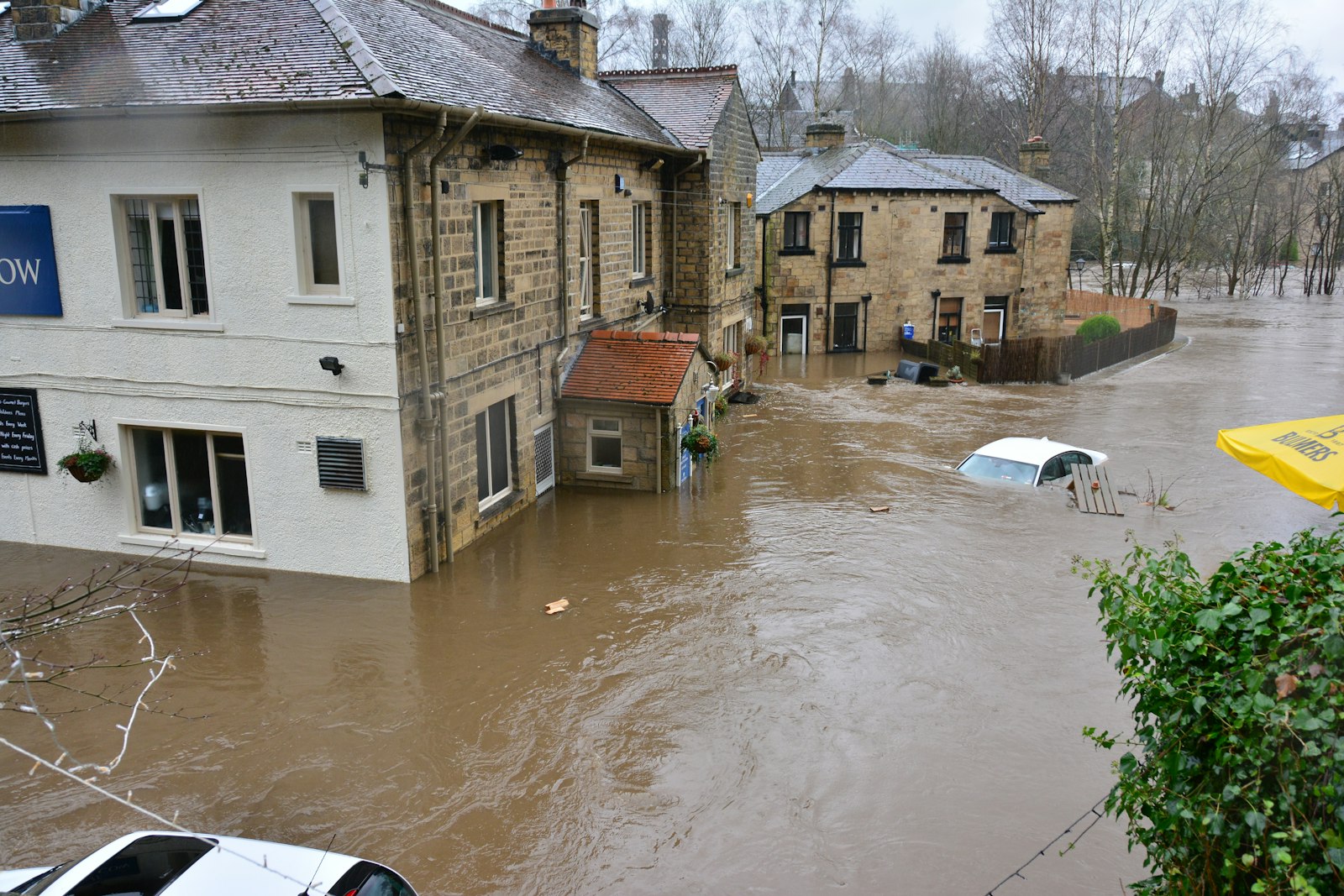
Bothell’s wet season rarely causes trouble with a single storm. The problems usually build over days. Rain falls on ground that is already saturated from the weeks before it, the Sammamish River and North Creek run high, and the groundwater level under low lying neighbourhoods rises with them. When that happens, water does not need a broken pipe or a failed appliance to get into a home. It can arrive from the ground itself, slowly and quietly, and it can keep arriving for as long as the ground outside stays saturated.
This guide explains what a high water event actually does to homes near the river and creek corridors, where the water gets in, what to do in the first hours while the rain is still falling, and how to get your home ready before the next long wet spell. If the water is already under your home, our companion guide on crawlspace water damage and drying covers the drying side of the job in depth. This guide is about the event itself.
Why long rain events are different from a single storm
A summer downpour mostly runs off. A long fall or winter rain event is different because the soil stops absorbing. Pacific Northwest winters bring repeated systems, sometimes one after another, and each one lands on ground that is wetter than the last. Once the soil is saturated, three things happen at once.
First, the river and creeks carry more water and run higher, so the low ground along their corridors drains more slowly. Second, the water table rises. Groundwater that normally sits well below a foundation can climb close to floor level in low areas, and it pushes against the underside and the edges of the foundation the whole time it stays high. Third, every drain and ditch around the home is working at capacity at the same time, so a weakness that never matters in normal weather can start leaking during the one week when everything is full.
That combination is why high water damage often appears a day or two into a storm sequence rather than at the first rain, and why it can return after an early cleanup if the ground has not had time to drain.
How groundwater gets into basements and crawlspaces
Groundwater does not need a visible hole. Water under pressure finds the paths that already exist in a foundation. Common ones include the joint where the floor slab meets the wall, hairline cracks that look harmless when the ground is dry, the openings where pipes and utility lines pass through the foundation, and porous spots in older concrete. In a crawlspace, the water may never pour in at all. It can rise through the soil floor itself, turning the ground under the home into a shallow pond that grows from the lowest corner outward.
A sump pump helps when it is sized for the inflow and has power. During the longest rain events, though, inflow can exceed what a small pump cycles against, and a power interruption at the wrong hour can leave a basement unprotected for the part of the night when the water is highest. Neither of those is a failure of the home. They are the conditions this kind of weather creates, and they are the reason a plan matters more than a single piece of equipment.
Surface water entry points to check first
Not all high water damage comes from below. During heavy rain, surface water looks for the lowest opening on the building, and it finds them in predictable places.
- Window wells. A well that fills faster than its drain can clear becomes a funnel aimed at the window seal. Leaves and soil packed into the well make it worse.
- Foundation cracks at ground level. Water pooling against the wall from poor grading or a downspout that discharges next to the house can work through a crack that never leaks in normal rain.
- Garage slabs and garage door seals. Garages often sit slightly lower than the house floor, and a driveway that slopes toward the door sends runoff straight at the seal.
- Floor drains and plumbing drains backing up. When storm and sewer systems are running full, water can come back up through the lowest drain in the home. That water should be treated as contaminated, and our sewage cleanup page explains why the cleanup for it is different.
- Downspouts and yard drains that empty too close to the foundation. In a long event, the volume is large enough that a discharge point a short distance from the wall can saturate the soil right against the foundation for days.
Walking this list during or just after a storm, when you can see where the water is actually moving, teaches you more about your home than any inspection on a dry day.
What to do in the first hours of a high water event
- Put safety first. If water is near electrical outlets, a panel, or a furnace, stay clear of the area and do not wade into standing water in a basement. If you suspect drain or sewer backup, keep people and pets away from that water entirely.
- Check the lowest points first. Look at the basement floor edges, the crawlspace access, the garage, and any floor drains. Note where the water is entering, not just where it is collecting. Entry points guide the whole response.
- Protect what can still be saved. Move boxes, stored items, and anything absorbent off the floor in the affected area. In a rising water situation, an hour of moving things early saves more than days of drying later.
- Do not run more water into the system than you have to. If drains are backing up, limit laundry, long showers, and dishwasher use until the outside systems have had time to drain down.
- Photograph and note the time. Record when you first saw the water, how deep it is, and where it seems to be coming from. Take fresh photos as conditions change. This record helps a restoration team plan, and it helps if you speak to your insurance company later.
- Check the sump pump if you have one and can reach it safely. Confirm it has power and that the discharge line is not blocked or frozen at the outside end.
- Call for help early. During a regional rain event, every restoration team in the area gets busy at the same time. Getting in the queue in the first hours, rather than after the rain stops, usually means earlier extraction, and earlier extraction is what limits how far moisture travels into walls and floors.
How drying works when the ground outside stays saturated
Drying a home during a high water event is not the same job as drying it after a plumbing leak, because the source has not finished. A leak stops when the valve closes. Groundwater stops when the weather changes and the water table falls, which can be days after the rain ends.
A realistic drying plan in these conditions has two phases. The first phase is control: remove standing water, protect materials that are still dry, and hold moisture from spreading while the ground outside is still feeding the problem. Extraction may need to be repeated if water returns overnight. The second phase is the full dry, which can only be verified once the outside ground has drained enough that readings stop climbing back between visits. Equipment placement, dehumidification, and the question of which materials can be dried in place and which should come out follow the same principles described in our guide on water extraction and structural drying, and the under home specifics are covered in the crawlspace companion guide.
The practical point for a homeowner is this: if readings rise again a day after equipment was placed, that is information about the ground, not necessarily a failed job. The honest response is to keep extracting and rechecking until the trend stays down. Anyone who promises a fixed finish date during an active high water event is guessing, because the weather holds part of the schedule.
A rainy season readiness checklist for Bothell homes
Most of this list is easier in early fall, before the long rains start, but every item still helps mid season.
- Clear gutters and make sure downspouts discharge well away from the foundation, not beside it.
- Check that soil and landscaping slope away from the house on all sides, and fill low spots where water ponds against the wall.
- Clean out window wells, and consider covers for wells that collect leaves.
- Test the sump pump by pouring water into the pit and watching it cycle. Ask about a battery backup if outages during storms are common at your address.
- Look at the lowest floor drains and know where they are. Keep stored items off the floor near them.
- Walk the foundation inside and out and note cracks, utility penetrations, and any spot where you have seen dampness before. Photograph them dry, so a change is easy to spot.
- Keep stored belongings in plastic bins rather than cardboard boxes anywhere a floor has taken water before.
- Save the number of a restoration company in your phone before you need it. During a regional event, searching for help is the slowest step.
Questions to ask when you call during a high water event
- Based on where the water is entering, do you think this is groundwater, surface water, or a drain backup? The answer changes the cleanup.
- Will extraction need to be repeated while the ground is still saturated?
- How will you check whether moisture is still rising between visits?
- Which materials do you expect to dry in place, and which may need to come out?
- What should I be doing, and not doing, while I wait for the crew?
Clear answers to these questions tell you more than a fast arrival promise during a storm, when every crew is stretched.
When to treat it as urgent
Treat high water as urgent if water is actively rising in a basement or crawlspace, if it may have reached electrical equipment or a furnace, if it is coming from a drain or sewer line, or if it is touching walls, flooring, or stored belongings you cannot move. In those cases, start with our emergency water damage page, or call Rainline Restoration on (425) 738-3553. The site serves Bothell addresses in ZIPs 98011, 98012, and 98021.
Questions about high water in Bothell homes
Why did water come into my basement when there is no leak anywhere?
During long rain events the groundwater level under low lying Bothell homes can rise high enough to push water through foundation joints, cracks, and the soil floor of a crawlspace. No pipe has to fail. The water stops only when the ground outside has had time to drain.
The rain has stopped but water is still coming in. Is that normal?
Yes, it can be. Rivers, creeks, and groundwater all fall more slowly than the rain stops, so inflow can continue for a day or longer after the weather clears. Keep extracting and monitoring until the readings trend stays down.
What is the difference between this and regular crawlspace water damage?
The cleanup skills overlap, but a high water event has a source that keeps feeding the home until the ground drains, so drying is planned in two phases and rechecked over more days. Our crawlspace guide covers the under home drying work in detail.