
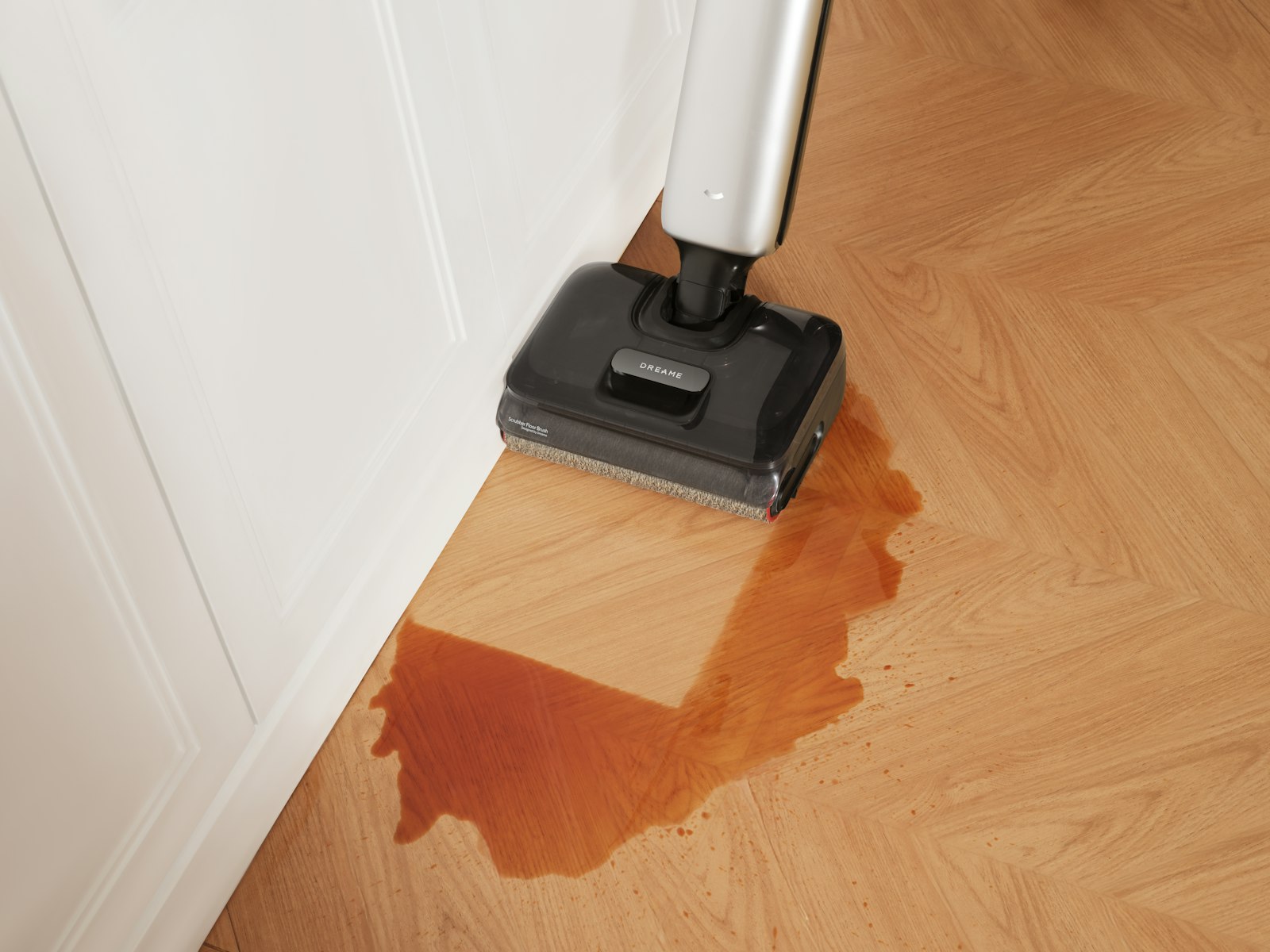
When water gets into a Bothell home, the floor is usually where the damage shows first and where the hardest decisions live. Carpet looks fine on top while the pad underneath is soaked. A wood floor can look dry while moisture is still trapped in the subfloor. Rugs can be rolled up and moved, but the floor under them may be holding water for days.
This guide explains, floor by floor, what can usually be saved, what usually has to go, and how drying is checked with readings instead of guesswork. It is written for Bothell homes in ZIP codes 98011, 98012 and 98021, including the crawlspace homes and townhomes that make Bothell different from a generic suburb.
Start with the water, not the floor
Before any floor decision, the source has to be stopped and the water has to be classified. Clean water from a supply line is a different job from grey water from a washing machine, and both are different from sewage or flood water. Contaminated water changes the answer for almost every floor covering, because cleaning the surface is not enough when the material underneath has absorbed contaminants.
If you are still in the first hours, read our first steps guide first: What to Do After Water Damage in Bothell. It covers shutoff, safety and photos before anything is moved.
Carpet and pad: the pair matters more than the carpet
Carpet on its own often survives. Carpet pad usually does not, once it is soaked through. Pad acts like a sponge, it holds water against the subfloor, and it dries far more slowly than the carpet above it. That is why a carpet can feel dry to the touch while the room still smells damp.
A useful rule: if the pad is wet through, plan on the pad being removed, even when the carpet is cleaned and kept. Lifting a corner of carpet to check the pad is a small step that prevents a much bigger problem, which is a subfloor that stays wet under a carpet that looks restored.
Carpet that has been under contaminated water is a different case. When sewage or flood water has soaked through, carpet and pad are normally removed rather than cleaned, because contaminants cannot be reliably removed from a porous material.
Rugs: move them, then check what was under them
Area rugs have one advantage over wall to wall carpet. They can be moved. Get rugs off a wet floor as soon as it is safe, so they do not trap water against the floor and so they do not pick up more damage themselves.
Then check the floor underneath, not just the rug. A rug that sat in water for a day can hide a wet patch on hardwood or laminate that needs drying even after the rug itself is cleaned. Small rugs can often be cleaned and returned. Large wool or hand knotted rugs need a specialist cleaner, and they should not be put back on a floor that has not been checked with a moisture meter.
Laminate: swelling tells the truth
Laminate is the least forgiving common floor. Its core is pressed wood, and once it swells at the joints, it does not shrink back. Buckled edges, cupped planks and gaps that appear after drying are signs that the boards themselves are damaged, not just wet.
Small, fast cleanups sometimes save laminate. A spill that is extracted within hours, with no water reaching the joints, is a different story from a leak that ran overnight. But when laminate has been standing in water, or when the joints have swollen, replacement of the affected boards is the honest answer, and trying to dry swollen boards back into shape wastes the drying time that the subfloor needs.
Engineered wood: it depends on how far the water went
Engineered wood has a real wood top layer over plywood layers, which gives it more tolerance than laminate, but it is not waterproof. Short exposure with fast extraction can be saved. Longer exposure, especially water that reached the plywood core, causes cupping and delamination, where the top layer separates from the core.
The check is the same for every wood floor. Moisture readings are taken in the affected area and in a dry area of the same home for comparison. Drying continues until the wet area reads close to the dry reference, not just until the surface feels dry. That comparison reading is the part most homeowners never see, and it is the part that decides whether a floor is truly dry.
Solid hardwood: slower to damage, slower to dry
Solid hardwood is the most patient floor in a Bothell home, and also the slowest to dry. It can cup and crown as it absorbs water, and those shapes can look alarming. Cupping early in drying does not always mean the floor is ruined. Hardwood often flattens as it dries evenly, which is why a rushed decision to tear out a hardwood floor in the first day is usually a mistake.
The risk with hardwood is impatience in the other direction. Sanding or refinishing a floor that is still wet locks moisture in and guarantees a second round of cupping. Refinishing waits until readings show the floor and the subfloor are both back near their dry baseline. In Bothell crawlspace homes, that baseline also depends on the crawlspace underneath, which is why our crawlspace drying guide matters for ground floor hardwood.
Tile and stone: the floor survives, the layers under it may not
Tile itself is rarely damaged by water. Grout, thinset and the subfloor under tile are the weak points. Water can travel under tile through grout lines and sit on the subfloor, while the tile surface looks completely normal.
Loose tiles, hollow sounds when tapped, and grout that stays dark long after the room dried are signs worth checking. In bathrooms and kitchens, also check the rooms next door and the ceiling below, because water under tile travels sideways before it shows itself.
How drying is verified, step by step
Drying is not verified by time alone. A room that dried for three days is not necessarily dry, and a room that dried for seven days is not necessarily over dried. Verification uses readings.
First, a dry reference is taken in an unaffected room with the same type of floor. Second, readings are taken across the wet area, including the subfloor where it can be reached. Third, readings are repeated on later visits, so the trend is visible. When the wet area readings are back near the dry reference and the trend is flat, drying is done. Keeping a short written log of those readings, with dates and rooms, is also the record that helps most with insurance questions later.
For the difference between removing water and drying a structure, see our guide on extraction versus structural drying. Extraction gets the standing water out. Structural drying is the slower work of bringing floors, walls and subfloors back to their dry baseline, after water removal and extraction has cleared the standing water.
What to photograph before anything moves
Photos protect both the floor decision and any claim. Photograph each room from the doorway, then close up on the floor covering, the baseboards and any swelling or staining. Photograph the source if it is visible, such as a failed supply line or an appliance hose. Photograph the underside of a lifted rug or a lifted carpet corner, because that is where the real damage usually shows. Keep the photos with the readings log, in one place, before cleaning starts.
The Bothell detail competitors skip
Most Bothell pages about floors are either carpet cleaning pages or generic restoration templates. A carpet cleaning page will tell you about extraction and deodorising, but it will not give you save or replace criteria by floor type, and it will not explain dry reference readings. A generic template will list services, but it will not mention Bothell crawlspace homes, where a wet ground floor often means a wet crawlspace below it, or Bothell townhomes, where a leak in one unit can travel through shared walls and floors.
That is the gap this guide fills. If your home has a crawlspace, read the crawlspace guide alongside this one. If the water came from high water near Sammamish River or North Creek, the river and creek guide explains why ground floors and lower levels in those areas need extra checking. Floor decisions are better when the whole house is considered, not just the room with the wet carpet. If boards do need to come out, the water damage repair service covers that next step.
When to stop and call
Stop and call for help when sewage or flood water is involved, when water has reached electrical outlets or the breaker panel area, when the floor feels soft or bouncy underfoot, or when you cannot find the source. Those are not drying problems, they are safety and structure problems, and they come first.
For Bothell homes in 98011, 98012 and 98021, call Rainline Restoration at (425) 738-3553. The contact page has the full details.
Questions about floors after water damage
Can wet carpet always be saved?
No. Carpet often survives clean water, but soaked pad usually has to be removed, and carpet soaked by sewage or flood water is normally removed rather than cleaned.
How do I know a wood floor is really dry?
By moisture readings compared with a dry area of the same home, repeated over visits, not by touch alone.
Will cupped hardwood flatten on its own?
Often, yes, if it dries evenly and is not refinished too early. Refinishing waits until readings are back near the dry baseline.
Is laminate worth drying?
Only when exposure was short and the joints never swelled. Swollen laminate does not shrink back.
Why does the floor under a rug matter?
Because a rug traps water against the floor, and the floor underneath can stay wet long after the rug is cleaned.
For more general answers, see the frequently asked questions page.