
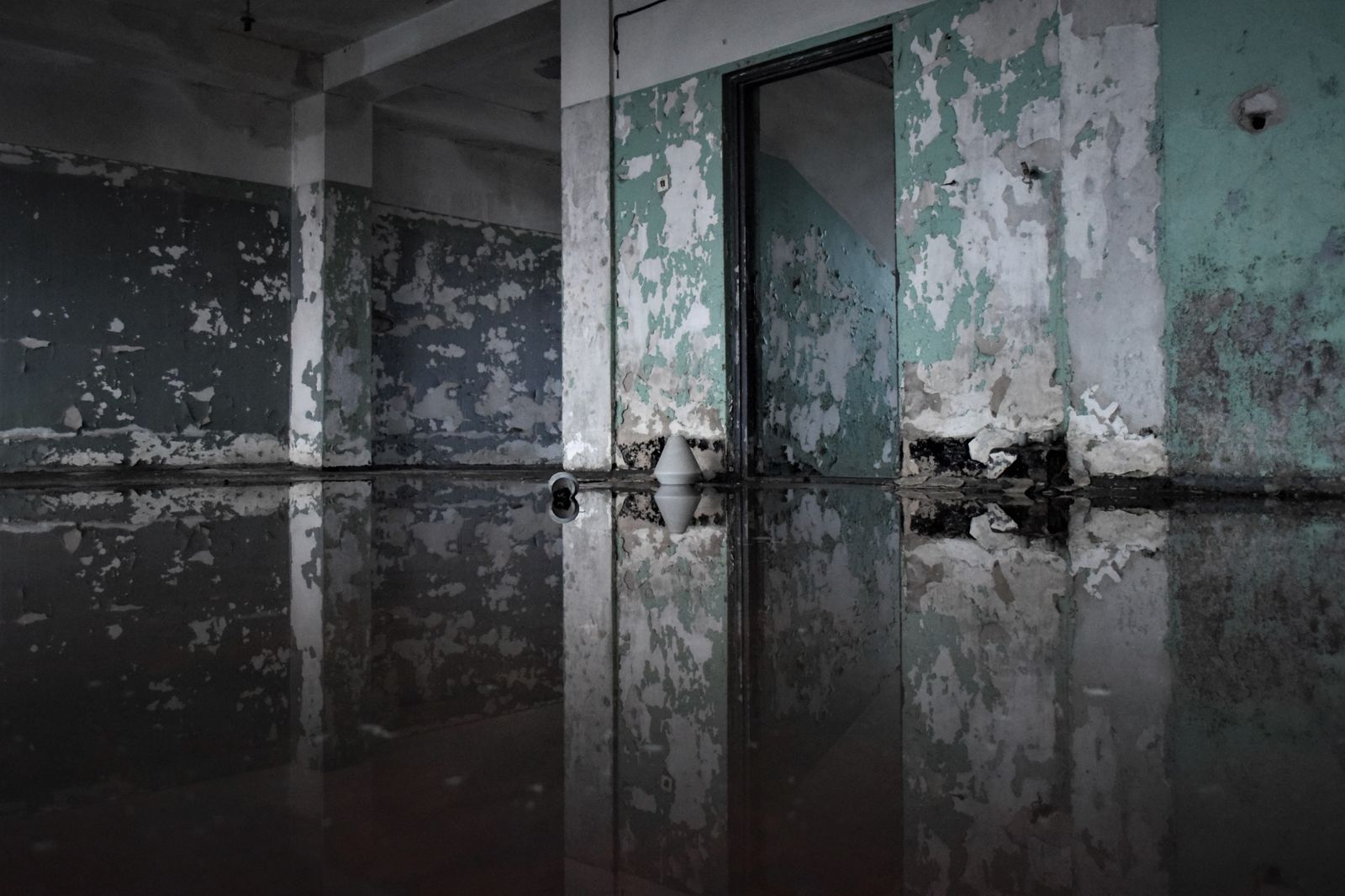
Many Bothell homes sit where water has an easy path to the lowest level. A valley floor lot collects runoff and a high water table. A hillside lot sends rain down toward the downhill side of the house. A daylight basement has one wall partly below grade and one side open to light and air. A crawlspace sits low, close to the soil, and often hides water for days before anyone notices a smell or a soft floor.
In all of these homes, the sump pump is the quiet worker that keeps the lowest level dry. It collects water in a pit, lifts it through a discharge pipe, and sends it outside, away from the foundation. When it stops, water does not wait. It rises in the pit, spreads across the slab or the soil, wicks into framing and drywall, and soaks stored items, carpet, and insulation.
Why a sump pump matters so much in Bothell
A sump pump failure is rarely one single event. It is usually a small problem that meets a wet week. A storm knocks out power at the same time the water table rises. A float switch sticks after a season of dust and debris. A discharge line freezes on a cold night, or clogs with leaves where it exits the house. A pump that was sized for a drier decade cannot keep up with back to back storms. Knowing these patterns in advance is what turns a flood into a short interruption.
The common ways a sump pump fails
Power loss is the most common cause in a storm. The pump needs electricity, and the storm that brings the water often takes the power with it. A home without a battery backup or an alarm can fill a pit while the owners are asleep or away, and the first sign is water on the floor in the morning.
A stuck float switch is the second common cause. The float rises with the water and should switch the pump on. If it catches on the pit wall, on a cord, or on debris, it never triggers. The pump looks fine, it has power, but it never runs. A float that is set too high also causes trouble, because water reaches stored items before the pump starts.
A blocked or frozen discharge line is the third pattern. The pump runs, it sounds normal, but the water has nowhere to go. It cycles on and off, or it pushes water back into the pit through a failed check valve. Outside, the discharge outlet may be buried under leaves, mulch, or snow, or it may end too close to the foundation, so the same water returns to the pit again and again.
Age and wear finish the list. A pump that runs often wears out faster. A pump that sits dry for months can seize when it is finally needed. A pit full of silt wears the impeller and shortens the life of the motor. None of these failures announce themselves loudly. They show up as a damp smell, a stain line on a wall, or a pit that stays full long after the rain stops.
First signs that the pump is not keeping up
Watch for water standing in the pit when the weather is dry, or a pit that fills and never drops. Listen for a pump that runs constantly, short cycles every few seconds, or hums without moving water. Look for a water line on the basement wall, damp carpet at the lowest corner, efflorescence that looks like white salt on concrete, or a musty smell that returns after cleaning.
In a crawlspace, the signs are different because the space is hidden. Look for sagging insulation, a vapor barrier that floats or bunches, standing water under the house, or a musty smell that comes through the floor vents. If the crawlspace access is near a low corner of the lot, check it after the first heavy rain of the season, not after the third.
A water alarm in the pit or on the floor is the cheapest early warning a homeowner can own. It does not prevent a failure, but it turns a silent flood into a sound you can act on while the water is still shallow.
The first hour: a safe order of checks
Safety comes before saving belongings. If water has reached outlets, power strips, or the electrical panel, do not step into the water. Switch off power to that area from a dry location if you can do it safely, and call for help. Water and electricity together are not a problem to investigate barefoot.
If the area is safe to enter, work in this order.
First, check power. Look at the breaker for the pump circuit and the outlet it uses. A tripped breaker or a tripped ground fault outlet is a common and fixable cause. Reset it once. If it trips again right away, leave it off and get help, because repeated tripping points to a fault, not a fluke.
Second, check the float. Lift it gently by hand if you can reach it safely. If the pump starts, the switch was stuck. Clear any debris or cord that was catching it, and watch a full cycle to make sure it switches off again when the water drops. If the float moves freely and the pump still does not start, the problem is electrical or mechanical, and forcing it will not help.
Third, check the discharge outside. Walk to the outlet while the pump is running, if it runs. Water should flow clear and away from the house. If nothing comes out, or if water bubbles back near the foundation, the line is blocked, frozen, or discharging too close to the house. Clear leaves and debris from the outlet, and note where the water actually lands, because that tells the next person where the real problem sits.
Fourth, protect what can still be saved. Move dry items off the floor, lift boxes onto blocks, and pull rugs away from the wet edge. Do not move heavy wet carpet or soaked furniture alone, and do not drag wet material through dry rooms. Photograph the water line, the pit, and the discharge outlet before anything is moved, because those photos become the record later.
Fifth, call for water removal if the water keeps rising, if it covers more than a small area, or if it has reached walls, flooring, or stored items. A small puddle from a single stuck float is one thing. Rising water in a finished basement is a different job, and the drying clock starts at the first hour, not at the first convenient day.
Daylight basements and crawlspaces dry differently
A daylight basement in Bothell often floods at the lowest wall first, where the grade meets the foundation. Water follows the slope of the lot and enters through the wall to floor joint, a window well, or a crack that only leaks under pressure. Drying here means removing the water, opening the wet wall cavity where needed, and drying the framing and slab to a verified level, not just until the surface feels dry.
A crawlspace floods differently. Water spreads across soil or a vapor barrier, soaks insulation from below, and raises humidity through the whole floor system. Drying a crawlspace means extracting the standing water, removing wet insulation that cannot be dried in place, drying the joists and subfloor, and checking that the vapor barrier is back in place before the space is closed up again. A crawlspace that is closed while still wet will smell again within weeks, even if the floor above looks fine.
Both spaces share one rule. Drying is verified with readings, not with touch. A moisture meter reading on framing, a humidity reading in the air, and a comparison against a dry reference point in the same home tell the true story. The crawlspace drying guide and the winter freeze guide on this site explain the same principle for their own patterns, and this guide follows it too.
How drying is verified, step by step
Verification starts with a dry reference. A reading is taken from an unaffected area of the same material, for example a dry stud in an upper room or a dry section of the same wall. That number becomes the target. Wet readings are then compared against it, not against a generic chart.
Next, readings are mapped across the wet area. The lowest corner, the wall to floor joint, the back of any wet drywall, and the joists above a wet crawlspace each get their own reading. This map shows where the water travelled, and it often reaches further than the visible stain.
Then equipment runs and readings repeat. Air movers and dehumidifiers run until the wet readings fall back toward the dry reference and stay there across checks. A single good reading after a few hours is not proof. Readings that hold steady across a day, while the equipment is still running and after it is paused for a check, are proof.
Finally, the record is written down. Date, location, material, reading, and equipment in use, kept together in one place. That record matters for insurance, for the next owner, and for the next storm, because it shows what got wet, how far it spread, and when it was truly dry.
The dated record to keep
Keep a simple folder, paper or digital, with the same items every time. The date and time the water was found. A photo of the pit, the water line, and the discharge outlet. The cause if it is known, such as a power outage, a stuck float, or a blocked discharge. The readings taken during drying, with dates. The items removed or replaced, and the date the space was declared dry.
This folder does two quiet jobs. It helps an insurance claim, because it shows a clear timeline instead of a memory. It helps the next prevention decision, because it shows whether the same failure repeats every storm season or whether it was a one off event.
The prevention routine that actually gets done
A sump pump routine fails when it is complicated. Keep it short, and tie it to dates you already remember.
Once a month during the wet season, lift the float or pour a bucket of water into the pit and watch a full cycle. The pump should start, move water outside, and switch off. If it does not, fix it while the weather is dry.
Before the storm season, walk the discharge line from the house to the outlet. Clear leaves, check that the outlet is not buried, and confirm the water lands well away from the foundation. A discharge that ends beside the house is a loop, not a solution.
Once a year, clean the pit. Remove silt and debris, check the check valve, and look at the cord and float for wear. Replace a pump that is old, noisy, or cycling strangely before it fails in a storm, not after.
Add two backups if the home depends on the pump. A battery backup keeps the pump running through a power outage. A water alarm in the pit gives an early sound when the water rises too high. Neither is expensive compared with a flooded basement, and both are simple to test during the monthly check.
Test the alarm and the backup the same day you test the pump. A backup that has never been tested is a guess, not a plan.
Four mistakes that make a sump failure worse
The first mistake is waiting to see if the water goes away on its own. Groundwater does not drain uphill, and a pit that stays full is telling you the system has stopped, not that it is resting.
The second mistake is closing a wet crawlspace or repainting a damp wall before it is dry. The surface looks fixed, the moisture stays trapped, and mold and odor return. Drying to a verified reading comes first, finishing comes second.
The third mistake is discharging water beside the foundation to get it out of sight. The water returns to the pit, the pump cycles endlessly, and the foundation stays wet. The discharge must end away from the house, on ground that slopes away.
The fourth mistake is ignoring a pump that runs constantly. Constant running means the water keeps coming, the pump is undersized, or the discharge is looping back. It is a warning, not a sign of a hard working pump, and it deserves attention before the next storm.
For Bothell homes in 98011, 98012 and 98021, call Rainline Restoration at (425) 738-3553. The contact page has the full details.
Questions about sump pump failure in Bothell
How often should I test my sump pump in Bothell?
Test it once a month during the wet season, and once before the storm season starts. A full cycle test takes a few minutes: the float rises, the pump runs, water leaves through the discharge, and the pump switches off. A pump that is only tested when it floods has already failed the test that mattered.
What should I do if the power goes out during a storm?
First, stay out of standing water near outlets or the panel. If you have a battery backup, check that it is running and note the time, because a backup has a limited run time. If you have no backup, check the pit level as soon as it is safe, move items off the floor, and call for help if the water keeps rising. A power outage during heavy rain is the exact moment a backup earns its place.
Why does my pump run but the pit never empties?
The most likely causes are a blocked or frozen discharge line, a failed check valve that lets water flow back, or a discharge outlet that ends too close to the foundation. Check the outlet outside while the pump runs. If no water comes out, or if it pools beside the house, the line is the problem, not the motor.
Can a crawlspace be dried without removing insulation?
Sometimes, but not always. Dry insulation that only got damp at the surface may dry in place. Insulation that is soaked, sagging, or holding water against joists usually cannot be dried reliably in place and should be removed so the framing can dry and be verified. The decision comes from readings and inspection, not from a guess about how wet it looks.
What is the single most useful prevention step?
A monthly cycle test plus a water alarm in the pit. The test catches a stuck float or a dead pump while the weather is dry. The alarm catches a rising pit while the water is still shallow. Together they cover the two most common failures: a pump that never starts, and a pump that stops during a storm.
For more general answers, see the frequently asked questions page.
Related Bothell guides
- Crawlspace water damage drying, for low spaces that hide water and need verified drying.
- Winter freeze and burst pipes, for cold weather failures that often arrive with the same storms that test a sump pump.
- Upstairs and appliance leaks, for water that travels down through ceilings and walls rather than rising from below.
- Floors after water damage, saved or replaced, for deciding what flooring can dry and what cannot.
- Sammamish River and North Creek high water, for valley floor patterns where groundwater and river levels rise together.
- Water removal and extraction, structural drying, and emergency water damage pages, for the service steps behind this guide.